
Every year when I do the Blitz, I try to think of new and fun ways to break down each category. Sometimes it’s by doing some research and finding a few fun facts about the nominees themselves. Sometimes I dig into Oscars history for some juicy tidbits that might be relevant to the discussion. Sometimes I make a bunch of references to other pop culture like I’m desperately trying to get hired on Family Guy (given that I have two friends from college who’ve worked directly with Seth MacFarlane, that’s not an entirely inaccurate statement). Sometimes I share personal anecdotes and jokes that tie in.
As you’ll see more and more as this year’s series wears on, that’s already becoming a difficult task, as this is the most consolidated ceremony I can remember. The big headline was having Sinners break the record for most nominations with 16, but several other flicks approach double digits (One Battle After Another surpassed it with 13 of its own), and so many categories feature the same set of contenders, with at best one or two deviations. With 24 categories at five nominees apiece, there are 120 total slots for films to compete. Take away the three Short categories, and the number drops to 105. Of those, a whopping 90 are taken by multi-nominated movies, leaving only 15 single-serving contenders, meaning none of them will win, except in Documentary Feature, where all five nominees are solos. It truly is impressive that Sinners has 16 nods, especially because it was my favorite movie last year, but you can’t deny that something seems off about a movie that is up for literally every award it could be eligible for, except Best Actress, as there is no lead female character, just four strong supporting ones.
Compare that to last year. The multis took up 86 of the 100 possible nominations, which is technically a higher percentage by the thinnest of margins, but it felt more varied because a) no one was actually taking Emilia Pérez seriously as a contender, and b) momentum had clearly shifted to Anora, which only had six nods, meaning there was going to be more wealth to go around by design. The number gets progressively lower until you get to the 94th Oscars four years ago, when the multis took up 88 spots, but here’s the difference. Those nominations were spread out among 21 different films. This year, it’s among 15, 10 of which are nominated at least four times.
I know part of that is because we’ve all known for a while that this is basically a two-horse race, with everyone else fighting for whatever scraps they can get. But it does show the problem that the film industry is facing as a whole, not just whatever fatigue I might feel in covering stuff. More and more we’re seeing cases where the Oscars are basically open-and-shut, because there just aren’t enough great films being made. And if the general media consolidation we’re seeing gets any worse, the trend may be irreversible. Both of the front-runners were released by Warner Bros., and that storied studio is about to be swallowed up by either Netflix, the world’s biggest streamer who has already announced its intention to basically kill the theatrical model, or Paramount, who will make it another mouthpiece for Donald Trump like it’s doing with the properties it currently owns. Seriously, the only reason a show like South Park was allowed to go after Orange Hitler was because Trey Parker and Matt Stone smartly negotiated a clause in their contract that if the show was cancelled, they’d still get their entire payout, meaning Paramount is spending the money either way, but by tolerating a dissenting voice they can at least still get ad revenue to offset the cost.
That’s where the entertainment industry is headed, and we all suffer for it (double for me because it also could mean the end of my career as these companies continue to hire only from within and/or try to force AI down our throats as content). So I apologize here and now if I start to come up short on talking points in these posts over the next four weeks. I’ll endeavor to continue writing something compelling, but know it is getting harder. And yes, I realize the irony in saying I might not be able to give Oscar history lessons as often, when this rant sort of turned into a backdoor Oscar history lesson. Oh, and uh, pretend I read this aloud to you as a way to segue into tonight’s category. It was totally intentional. Yes, that’s the ticket (pop culture reference).
This year’s nominees for Sound are…
F1 – Gareth John, Al Nelson, Gwendolyn Yates Whittle, Gary A. Rizzo, and Juan Peralta
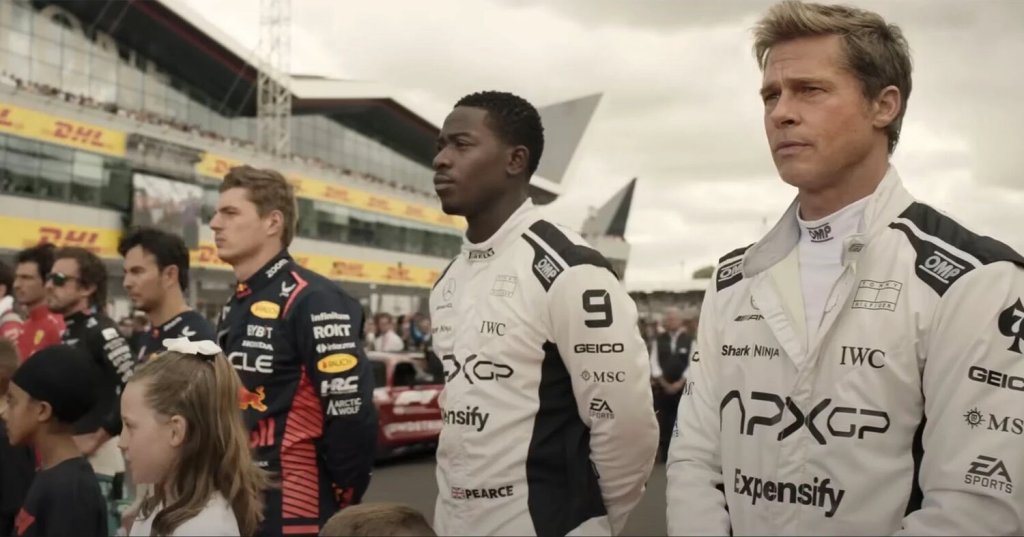
Here now is a summation of the audio profile for F1:
VVVVVVVVRRRRRRRRRROOOOOOOOOOOOOOOMMMMMMMMM!
“Hi, I’m Brad Pitt. My dick’s bigger than yours.”
VVVVVVVVRRRRRRRRRROOOOOOOOOOOOOOOMMMMMMMMM!
*Led Zeppelin song*
VVVVVVVVRRRRRRRRRROOOOOOOOOOOOOOOMMMMMMMMM!
“I’m the young, black character who’s trained his whole life. So surely you know more than me, white guy. Oh, and to make sure people think I’m stupid, I’ll talk in a heavy Cockney accent and yell at efrywon!”
“I’m the first female chief engineer in Formula 1 history, but let me cede my expertise and agency to your penis, Brad Pitt!”
VVVVVVVVRRRRRRRRRROOOOOOOOOOOOOOOMMMMMMMMM!
UUUUUURRRRRRRRRRRR–CRASH!
*The Weeknd song*
*Brad Pitt/Kerry Condon sex noises*
*Everyone chants “COMBAT”*
VVVVVVVVRRRRRRRRRROOOOOOOOOOOOOOOMMMMMMMMM!
VVVVVVVVRRRRRRRRRROOOOOOOOOOOOOOOMMMMMMMMM!
“I understand now. I need to drive like Brad Pitt to win, even though he’s never won on this circuit. My savior was white, er, right, all along! Uh, also, COR BLIMEY!”
VVVVVVVVRRRRRRRRRROOOOOOOOOOOOOOOMMMMMMMMM!
*Various F1 cameos who can’t act or say something unintelligible*
“I’m Brad Pitt and I’m a champion! By the way, my dick is huge!”
*Shitty Doja Cat song*
*Shitty Ed Sheeran song*
The end. This has no business being nominated, no matter how much it tries to wear you down with sensory overload.
Frankenstein – Greg Chapman, Nathan Robitaille, Nelson Ferreira, Christian Cooke, and Brad Zoern
Getting to the actual films that have some merit, Frankenstein maintains a pretty decent mix throughout. There were a few moments when dialogue was slightly drowned out by the score, but for the most part, it worked fine. That said, the film does walk a dangerous line, because as a Netflix property, any mixing issues can be blamed on whatever sound system you have on your TV at home, which is just counterintuitive to the entire concept of cinema, and yet another omen of what might be coming down the line.
The sound effects are pretty much what you’d expect. You get some squishy noises as Victor toys with his experiments and various bits of viscera, some fun electrical noises when it’s time to bring the Creature to life, the clang of metal when the machinery breaks, the gentle flow of water underneath the castle, decent animal sounds in the countryside, and the bombastic blast of explosions and flame when the castle is burned down. It all works really well. Things might have gone overboard a bit when it came to the Creature’s attack on the Danish ship (pun sort of intended), but all told, everything sounds the way you think it would in this type of story.
The one superlative audio element was the Creature’s roar. It’s otherworldly at times. Echoing the book, the film does eventually emphasize his humanity and eloquence, but before he meets the blind man, he’s a feral beast, and his guttural screams are appropriately haunting. Even when he shouts Victor’s name, it feels more like a bear who learned how to form a word than the cries of a person. At first I thought it was just Jacob Elordi’s performance, and while that is a huge part of it, you can detect some augmentation on the bass line, creating a sort of reverb that few people could produce naturally. If it is an effect, it’s an astounding one. If it was somehow all Elordi, then it’s another point in his column to win Supporting Actor. Either way, it sent chills down my spine, which is exactly what you want.
One Battle After Another – José Antonio Garcia, Christopher Scarabosio, and Tony Villaflor
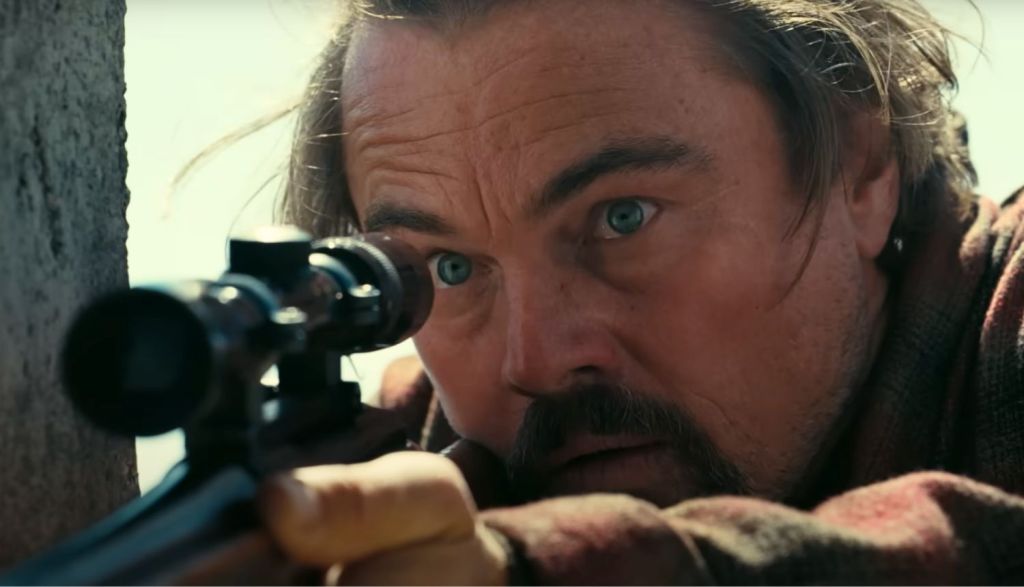
The sound design in One Battle After Another is arguably the most traditional of this bunch, but it’s impressive all the same, mostly because there are so many different pivot points and genre conventions at play, all of which have to be accounted for. The dialogue mixes well in the calmer moments, ensuring that we don’t lose track of the conversation. None of the effects are intrusive or assault our senses. For example, keystrokes and the burn of a joint aren’t artificially elevated in a lame attempt to create ASMR, which is a refreshing departure from the recent norm in Hollywood.
There are some loud moments, certainly, but they’re germane to the individual scenes. In one of the funnier moments, we see Leonardo DiCaprio as Pat calmly sipping a beer before plugging his ears, then we cut to a very pregnant Perfidia firing off a machine gun. The volume is upped, but it’s also natural, because a) it’s a fucking machine gun, and b) it’s funny to see that reaction as it’s happening, especially considering that Pat is a demolitions and pyrotechnics expert, so you’d assume he’d be desensitized to the boom-booms. There are so few films these days that simply “make sense” when it comes to their audio design, to say nothing of the instances where sound plays an active role in the plot. That last point is best exemplified by the proximity detectors that eventually help DiCaprio and Chase Infiniti reunite at the end of their respective odysseys.
For me, though, the best work is in the quieter moments, with two solid cases. The first is the hilarious series of seeing Pat on the phone, trying to remember the call-and-response phrases to get help from the French 75. When it starts, it’s just normal distortion of a person’s voice on the other end of the line. But when the phrases become more convoluted, and Pat gets more and more desperate and angry about not knowing what time it is, comical arguments ensue where his voice gets louder and meaner, and overlaps with the calm but intransigent agent on the other side of the call. It takes a lot of discipline and crisp audio editing to make that all play out without feeling contrived.
The second is the very tense scene at the mission, where Lockjaw administers the fateful DNA test on Willa. The set is sparsely appointed, with just the two of them in the room. You could hear a pin drop, and that’s the point. Every footfall from Lockjaw’s boots echoes throughout the room, and the dialogue is tinged with natural white noise, something that’s usually filtered out by the microphones but is intentionally left in here. Paul Thomas Anderson and his sound team want you to feel the air circulating in this space, even though the atmosphere is ironically suffocating. Uncertainty hangs over every second of this scene. The hollow acoustics give you that church mouse aesthetic, but rather than salvation, death and damnation are the more likely outcomes. If you polish the background noise too much, the scene loses some of its authenticity. What makes the film – and its underlying satire and fantasy wish fulfillment – work to the level it does is the idea that, while absurd, the events that take place could very easily happen for real, and in some instances they are. A more “Hollywood” sound design in this pivotal moment would rob the audience of that verisimilitude.
Sinners – Chris Welcker, Benjamin A. Burtt, Felipe Pacheco, Brandon Proctor, and Steve Boeddeker
Like many elements of the movie, the sound profile of Sinners is firing from two separate barrels. The first is the music. While the individual songs and orchestral cues aren’t factored into the sound design, there’s still a ton that does, particularly the individual instances of instrumentation performed by the actors. In nearly every scene during the first half of the film, someone is playing an instrument, whether it’s Sammie on the guitar, Delta Slim on the piano or harmonica, any various drummers, or Remmick with his banjo. Music is fully integrated into this film, and that requires a massive effort on the part of the sound editors and mixers, who have to make sure that the notes coming from the instruments are the correct ones, whether the actor is playing them correctly or not, and that they’re properly balanced with the singing and dialogue. Similarly, the dancing has its own form of syncopation, which has to be blended perfectly so that the rhythm of the scene – and the song – is never lost. And just for fun, the associated sound effects are used for a bit of cheeky editing, like the scene where dance stomps are timed to coincide with a beating in an adjacent room.
Then, once the threat is realized, every interaction is filled with various action and horror SFX. You have a brilliant mix of sexual moaning and ravenous feeding when Mary turns Stack. You have the gurgling mass of vampires who reanimate after being shot. You have biting, screaming, burning, bottles smashing, punches, and all manner of other inserted sounds during the climactic fight. You have the ear-splitting death rail of the vampire horde when the sun rises. You have the amplified spitting noises of the Klansmen as they disrespect the literal ground that black people walk on. You have Annie’s hoodoo accessories rattling around. There’s just so much that is noticeable and distinct throughout the back half that it’s a wonder that there wasn’t some major flub just from sheer volume.
And yet somehow, with few exceptions (like the spitting), your attention isn’t really drawn to it. Despite the fantastical nature of the story, once the other shoe drops and we get into survival horror, all the sound effects feel very organic and natural, even those that are clearly amalgams of other sounds, like the drooling and feasting noises. This is because the vast majority of the sound is mixed perfectly. I will concede that Michael B. Jordan occasionally spoke softly enough that it was hard to hear him over the music at times, but he acts so well with just his face and body that the point got across anyway. And honestly, one of my main beefs with any movie set in a bar or music club is that we actually can hear what people are saying, which, if you’ve ever been to a club, you know is a lie. Usually the “music” (air quotes) is so loud I can’t even hear someone I’m talking directly to five inches in front of me, so those rare moments where the actual music here drowns out a word or two ironically makes the scene play more credibly.
Sirāt – Amanda Villavieja, Laia Casanovas, and Yasmina Praderas
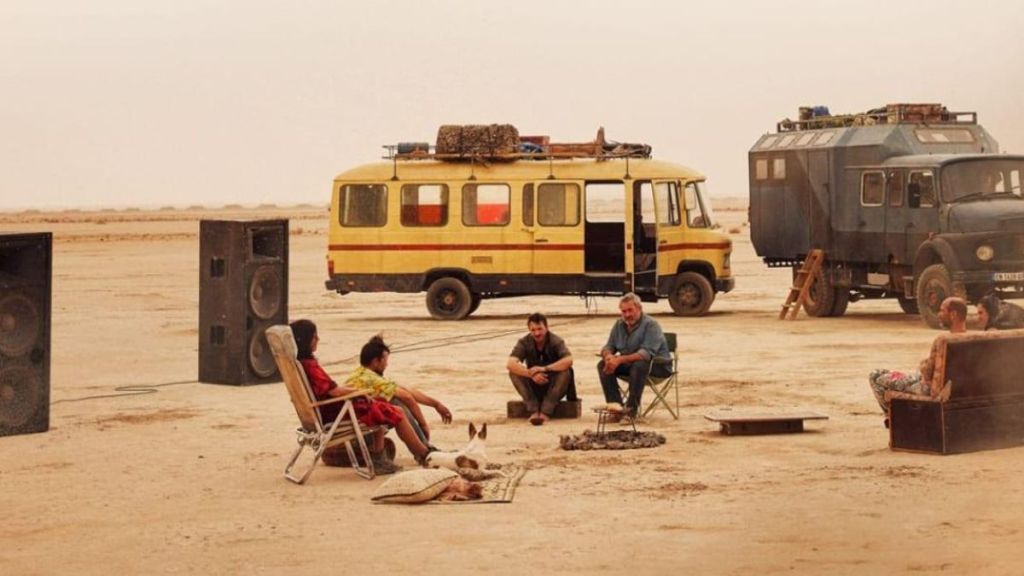
Speaking of club music that drowns out the world, Spain’s Oscar entry is front-loaded with rave beats, a huge theme in the story. For the first several minutes, the film is just the setting up of a shit-ton of amps, then the actual concert, as computerized thumping rules the day and night. Again, in a rare echoing of reality, when we first meet our leads, Luis and Esteban, they’re working their way through the entranced desert dancers, trying to talk to them and hand out fliers for their missing relative. What little dialogue they have is completely overpowered, necessitating subtitles even if the flick wasn’t in a foreign language. The rave ethos carries into the main journey of the plot as well, with the core cast of actual ravers occasionally playing their tunes in their vehicles.
The rest of the film, however, is pretty standard. The dialogue is mixed competently, and most of the sound effects are normal ones you’d hear in a road trip movie set on unpaved surfaces. We get the noise of dirt and gravel being kicked up by the tires, the ravers using the various appliances in their campers, and the siphoning of gasoline. When shit hits the fan, we throw in the sounds of collisions and explosions.
I think the most unique sound package comes in one of the first truly dark moments, when Esteban’s dog falls severely ill because it accidentally ingested LSD. The sounds made as they try to get the dog to “pass” the intoxicants are genuinely disgusting, but I certainly remember them. I also remember that the scene was unnecessarily fucked up, and given what ultimately happens over the rest of the story, it was also superfluous. So take that for whatever it’s worth.
***
As I mentioned in the preamble, this year’s Oscars are very top heavy and compact when it comes to the same movies being nominated pretty much across the board. This is one of the few categories, however, where you could argue there’s a legitimate competition. Either of the two front-runners could win, and I’m guessing that’s the most likely outcome, but we also have a secondary contest to see which films will clean up the artistic and technical categories. Precedent and conventional wisdom would suggest that Frankenstein and F1 will be duking those out, so either could claim a victory here, even F1, which despite my loathing still has a LOT of sound effects editing in it. Then there’s Sirāt, which has a plot predicated on a very certain kind of sound. A win could make the International Feature race a bit more interesting, as it’s one of four films in the category with multiple nominations. Anything’s possible here, which we certainly won’t be able to say with a lot of the other races.
My Rankings:
1) Sinners
2) One Battle After Another
3) Frankenstein
4) Sirāt
5) F1
Who do you think should win? Vote now in the poll below!
Up next, remember what I said about single-serving nominees that have no chance to win? Well, tomorrow we’ll take a look at two of them in one of the most high-profile categories. It’s Best Actress!
Join the conversation in the comments below! What sound effects stand out most to you? Are you going to get tired of seeing the same nominees in each category? Should using the Wilhelm Scream be cause for permanently being cast out of Hollywood? Let me know! And remember, you can follow me on Twitter (fuck “X”) as well as Bluesky, subscribe to my YouTube channel for even more content, and check out the entire BTRP Media Network at btrpmedia.com!

 I Actually Paid To See This
One thought on “Oscar Blitz 2026 – Sound”